



 09:39 2026-06-24
SpaceX's move onto Wall Street put Elon Musk's space plans back in the headlines. The world's richest person is focused on large‑scale settlement of the Solar System and development of near‑Earth infrastructure, and SpaceX currently controls roughly 90% of the global market. Space has ceased to be an arena of exclusive state vanity and has become the most promising economic sector of the 21st century. The era of romantic stargazing has given way to pragmatic calculations by venture funds and multinational corporations.

 451
451 9
9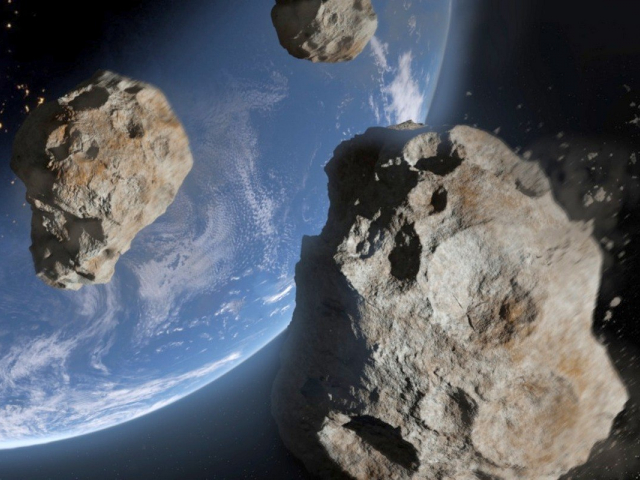


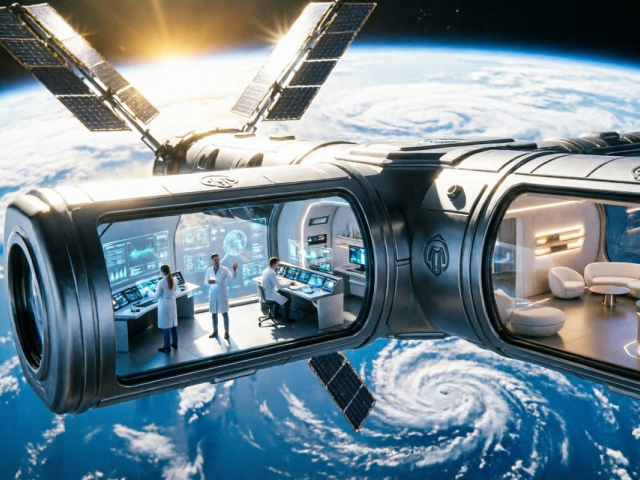

Orbital hotels and business centers to replace ISS
As the ISS approaches the end of its service life, the private sector has launched a vast construction program. Commercial space stations, such as Blue Origin’s Orbital Reef and Axiom’s modules, are designed not as closed science labs but as multifunctional business hubs. They will host sovereign research zones, IT clusters for running servers in a vacuum, and even luxury suites for wealthy tourists. Orbital real estate is becoming a premium asset, turning low Earth orbit into a commercial suburb of the planet.
Gold rush 2.0
Asteroids are concentrated treasure chests of rare earths, platinum, gold, and cobalt. Famous asteroid 16 Psyche alone is valued in the quadrillions of dollars and could instantly destabilize terrestrial metal markets. Startups in space mining are developing unmanned drilling platforms and heavy tugs. Their target is not hauling ore back to Earth but processing it in space to support orbital construction. Asteroid mining could spare Earth dirty open‑pit mines and provide humanity with resources for millennia.
Go to stratosphere instead of Maldives
Space tourism will evolve from one‑off expeditions into a structured premium leisure industry with tiers of experience—from short suborbital hops to 100 kilometers to multi‑day trips around the Moon on SpaceX vehicles. Minutes of pure weightlessness and the chance to see the fragile arc of our planet will become a mainstream luxury. This sector can generate enormous revenues that will directly subsidize the development of reusable rockets, making spaceflight more accessible to the wider civilization.
Lunar water ice — fuel for system
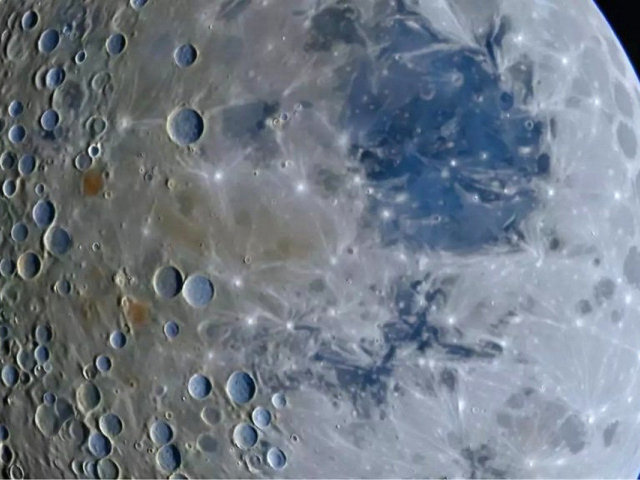
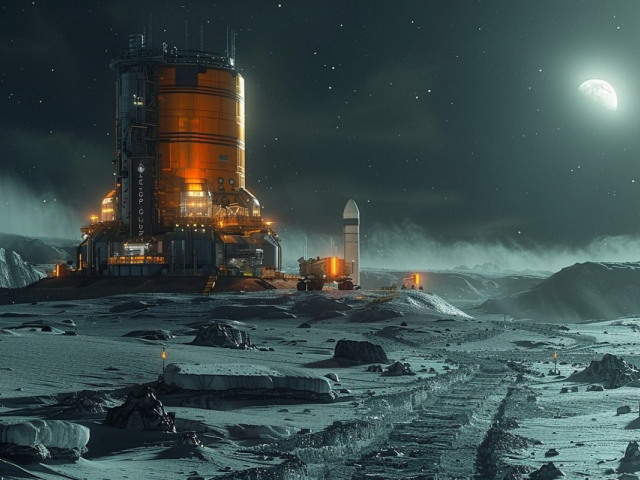
The Moon may become a key transit node in the space economy. Discoveries of huge deposits of water ice in permanently shadowed craters near the south pole create clear opportunities. Lunar water is not only drinking water. It can be split into oxygen and hydrogen for breathable air and, crucially, into rocket fuel. Mining ice and refueling ships on the Moon is far cheaper than lifting propellant from Earth. Lunar refueling stations will enable long‑range missions to Mars and turn the gray desert of the Moon into the main logistics hub of the future.
Orbital servicing and repair
When a valuable communications satellite ran out of fuel, it became useless space junk. Orbital servicing can fix that. Purpose‑built robot tugs from companies such as Astroscale can approach aging satellites, refuel them, replace worn parts, or deorbit retired hardware safely. Investment in repair infrastructure will save insurers and satellite operators hundreds of millions of dollars, extend the life of orbital constellations, and help prevent the Kessler syndrome of cascading debris.
Made in vacuum
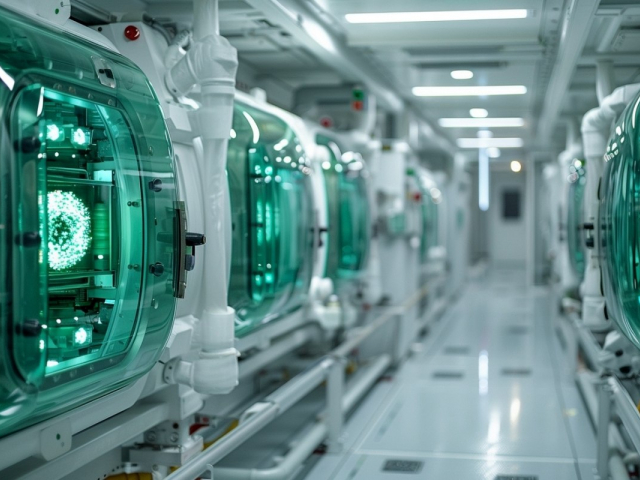
Microgravity opens unique opportunities in materials science. Some products are impossible to make under Earth gravity because of convection and particle settling. Orbital mini‑factories already grow perfect protein crystals for pharmaceuticals, print organs on 3D bioprinters, and manufacture ZBLAN optical fiber, which can transmit data up to 100 times with lower loss than conventional fiber. High‑value space manufacturing can justify logistic costs and make the label “Made in Space” a marker of superior quality and technological edge.
Satellite constellations and terrestrial logistics
Thousands of small communications and Earth‑observation satellites, combined into global constellations, are the nervous system of the world economy. Neural networks continuously analyze terabytes of orbital data to monitor tankers at sea, route autonomous truck fleets, manage port‑warehouse operations in real time, and enable instant banking in the most remote places. Terrestrial business can no longer function without the orbital eye that saves corporations billions daily through comprehensive digital oversight.
Solar power around clock
The idea of beaming energy from space to Earth has entered commercial reality. Orbital solar power stations are kilometer‑scale arrays of ultra‑thin photovoltaic panels. In space, there are no clouds, no atmosphere, and no day/night cycle—they capture sunlight continuously and with maximum efficiency. The collected energy is converted into a safe microwave or laser beam and sent to ground-receiving antennas. This technology could eliminate planetary energy crises and supply clean, essentially unlimited power.
Space venture capital
Behind engineers and astronauts stand financiers. Specialized space investment banks, exchange-traded funds (ETFs), and launch insurance agencies will underwrite missions and manage risk. Financial analysts are already pricing orbital plots and rights to lunar development. The space market capitalization is racing toward trillions of dollars. Investing in space ventures today buys equity in tomorrow’s interplanetary corporations — the foundational firms of the civilization to come.


-
Grand Choice
Contest by
InstaForexInstaForex always strives to help you
fulfill your biggest dreams.JOIN CONTEST -
Chancy DepositDeposit your account with $3,000 and get $3000 more!
In September we raffle $3000 within the Chancy Deposit campaign!
Get a chance to win by depositing $3,000 to a trading account. Having fulfilled this condition, you become a campaign participant.JOIN CONTEST -
Trade Wise, Win DeviceTop up your account with at least $500, sign up for the contest, and get a chance to win mobile devices.JOIN CONTEST


